One of the most common questions about mesotherapy is how often it should be done. People wonder whether a single session is enough, or how long sessions should continue. Although there is no single answer that holds for everyone, knowing the basic principles that shape the planning helps set the right expectations.
Mesotherapy in Brief
Mesotherapy is the delivery of ingredients such as vitamins, minerals, amino acids, antioxidants, and hyaluronic acid, in mixtures chosen according to need, into the superficial layers of the skin through microinjections. It can be used on the face to support skin quality, hydration, and vitality, and it may also be chosen for treatments aimed at the scalp.
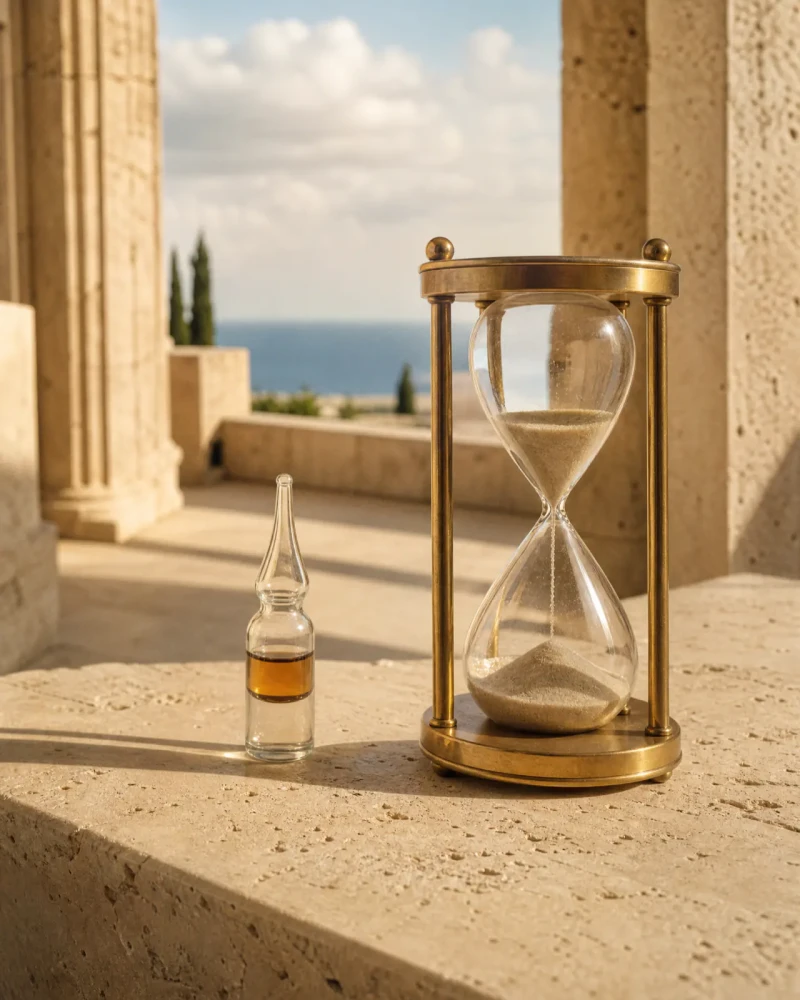
The effect of the applied ingredients on the skin is temporary; it fades over time within the skin’s renewal cycle. For this reason, mesotherapy is usually approached not as a single-session procedure but as a process planned at certain intervals. How this process is structured varies with the person’s skin and goals.
The Initial Phase
In mesotherapy, an “initial” or “loading” phase is often planned. During this phase, sessions are usually held 2 to 4 weeks apart and consist of a few sessions in total. The number of sessions varies with the skin’s current condition, the purpose of the treatment, and the content used. For scalp treatments, this phase may be planned differently from facial treatments.
The aim at this stage is to provide the support the skin needs on a regular basis and to observe how the skin responds. Effects usually appear gradually; changes noticed after the first sessions may become more visible with the following ones.
The Maintenance Phase
After the initial phase is complete, maintenance sessions at longer intervals may be planned to support the result achieved. This interval varies from person to person, but it is most often arranged as sessions repeated every few months.
The timing of maintenance sessions is determined by the condition of the skin rather than by a fixed calendar. For some people longer intervals are enough, while for others the plan may be rearranged because of seasonal changes or lifestyle factors.
Factors That Determine Frequency
- The purpose of the treatment: Different goals, such as skin hydration and radiance, fine lines, a tendency toward pigmentation, or the scalp, may call for different protocols.
- The condition of the skin: Skin type, hydration level, sun damage, and sensitivity play a role in shaping the plan.
- Age and lifestyle: Sleep patterns, diet, smoking, and sun exposure can affect the skin’s response and how long the effect lasts.
- The content used: The composition of the mixture is taken into account when determining the interval between sessions.
- The individual’s response: The same protocol can give different results in different people.
Does Doing It More Often Give a Better Result?
No. Having sessions more often than necessary does not increase the result proportionally. The skin needs time to recover and respond after each treatment. Sessions held too frequently can tire the skin and lead to temporary side effects such as redness, sensitivity, or bruising occurring more often.
According to Dr. Fulya Koç, the aim in age management is not to keep the skin under constant treatment but to support it when it needs it, to the right extent. For this reason, the plan is reviewed at regular check-ups, and additional sessions are not recommended when they are not needed.
What Can Be Done Between Sessions?
The simplest way to support the effect of mesotherapy is to take care of your daily skincare and lifestyle habits:
- Use sunscreen every day.
- Keep to a simple routine with a cleanser and moisturizer suited to your skin type.
- Drink enough fluids and eat a balanced diet.
- Pay attention to your sleep routine.
- Follow the aftercare instructions your physician recommends after a session.
Possible Side Effects and Who Should Not Have It
After the treatment, mild redness lasting a few days, small bumps, swelling, or bruising may appear at the injection points. A numbing cream may be applied before the procedure for comfort. It is recommended not to wear makeup on the first day and to avoid intense sun and hot environments such as saunas.
Pregnancy and breastfeeding, an active infection or wound in the treatment area, a known allergy to the ingredients, and some systemic diseases may mean mesotherapy needs to be postponed or not performed. Because the use of blood-thinning medication can increase the risk of bruising, it is important to tell your physician about all the medications you take.
Frequently Asked Questions
Is a single session of mesotherapy enough?
After a single session, a slight change in the skin’s hydration and vitality may be noticed, but the effect of mesotherapy usually becomes more visible as the session plan progresses. For this reason, a plan of several sessions is recommended in most cases.
Is the frequency different for scalp mesotherapy?
For scalp mesotherapy, an initial phase followed by maintenance sessions can similarly be planned. However, because the causes of hair loss can differ, it is important to investigate the cause first and make the plan accordingly.
What happens if I miss a session?
A delay of a few days or weeks in a session usually does not cause a problem. If a longer gap occurs, it is enough to reassess the plan according to the condition of your skin on that day.
A Personalized Schedule
How often mesotherapy should be done is determined not by looking at a chart but by evaluating your skin’s needs. Reviewing your skin’s condition, your expectations, and your lifestyle together during an examination is a sound way to build a schedule that suits you and is free of unnecessary sessions.

Nuclear Medicine Specialist, Medical aesthetics, anti-aging, hair and skin health. About
This article is for general information and does not replace medical advice. Please consult your doctor about the right approach for you.