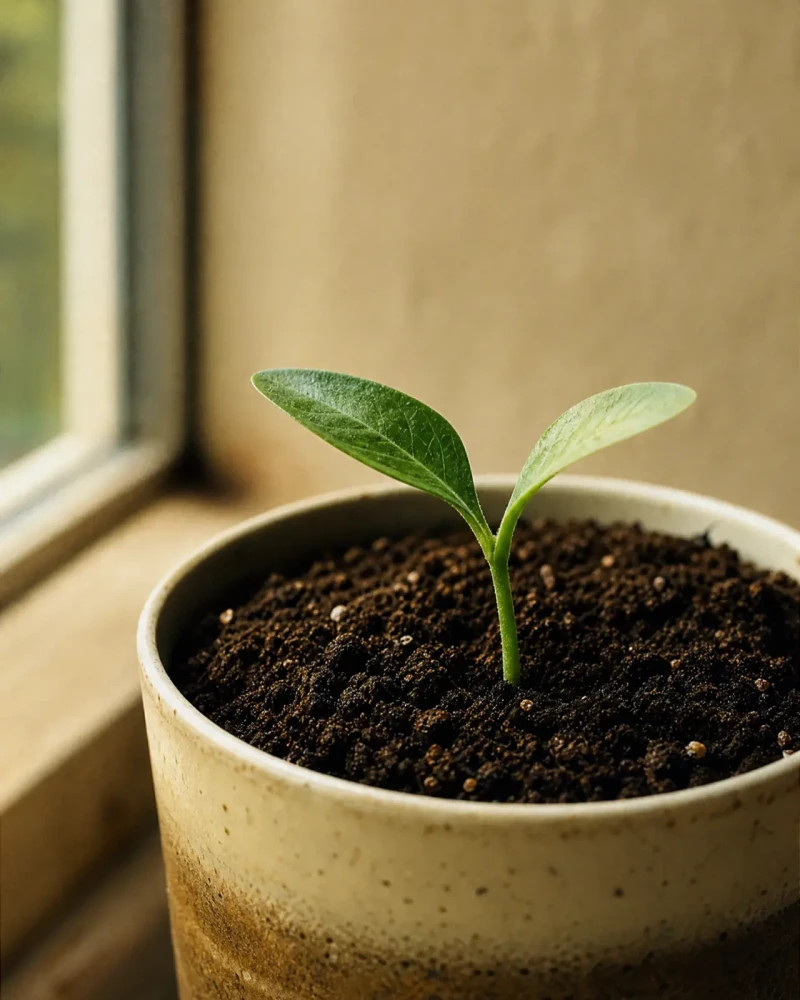
“Give a man a fish and he eats for a day; teach him to fish and he eats for a lifetime.” This familiar saying is one of the analogies Dr. Fulya Koç uses to describe her view of age management. Adding volume to the skin from outside is like giving a fish; encouraging the skin to produce its own collagen is like teaching it to fish.
In this article, we look at what this approach, called “biostimulation,” means, when it comes to the fore, and what its limits are.
The Skin’s Own Production Center: Fibroblasts
Fibroblast cells in the dermis, the middle layer of the skin, produce components such as collagen, elastin, and hyaluronic acid, which give the skin its firmness, elasticity, and moisture. As age advances, the production capacity of these cells declines; factors such as sun, smoking, and stress can speed up this decline.
As a result, the skin thins, loses its elasticity, and fine lines become more visible. This is exactly where the biostimulation approach aims to support the work of the fibroblasts.
“Giving a Fish”: Adding Volume Directly
Filler treatments are based on directly replacing lost volume with an external substance. The effect is usually seen right away, and fillers are a valuable option for correcting volume loss in certain areas or balancing proportions.
However, fillers do not primarily aim to increase the skin’s own production capacity. Their effect fades over time, and repeat treatment may be needed. For this reason, an approach based on filler alone addresses only the volume of the moment, not the quality of the skin over the long term.
“Teaching Fishing”: Biostimulation
Biostimulation is based on stimulating the fibroblasts and supporting the skin’s own collagen production through certain substances or methods applied to the skin. The aim here is not to fill the skin from outside but to activate its own capacity for renewal.
A distinctive feature of this approach is that results appear gradually. Because new collagen formation is a biological process that takes time, change is usually noticed slowly, over weeks and months. This can help the result look more natural and in harmony with the person’s own face.
Methods Used for Biostimulation
There are different approaches that can be used to support the skin’s renewal processes. Some of them are:
- Treatments derived from your own blood: In methods such as PRP and CGF, a concentrate prepared from your own blood and containing growth factors is applied to the skin.
- Biorevitalization treatments: Skin rejuvenation injections, collagen injections, mesotherapy, and similar treatments aim to support the skin’s moisture balance and the overall quality of the tissue.
- Microneedling-based methods: These aim to trigger natural repair processes by creating controlled micro-channels in the skin.
Which method is suitable is determined after an examination, according to skin structure, age, expectations, and the person’s health. Sometimes a single method is enough, while at other times it may be preferable to plan different methods at certain intervals.
The Limits of Biostimulation
Like every approach, biostimulation has its limits. In cases such as marked volume loss or advanced sagging, it may not be sufficient on its own. The skin’s response also varies from person to person; age, genetics, lifestyle, and general health are the main factors that influence the result.
For this reason, biostimulation should be thought of not as a complete alternative to fillers or other treatments but as one of the cornerstones of a long-term plan. In some cases, different approaches can complement each other with the right order and timing.
Possible Side Effects
After treatments done by injection or microneedling, temporary redness, mild swelling, tenderness, and bruising may occur. These findings usually subside within a few days. A numbing cream may be applied before the procedure for comfort.
Conditions such as pregnancy, breastfeeding, an active infection in the treatment area, some blood disorders, and the use of blood-thinning medication may mean the treatment needs to be postponed or planned differently.
Thinking Long Term
According to Dr. Fulya Koç, age management should focus less on short-term corrections and more on protecting the health of the skin over many years. Encouraging the skin to use its own resources offers both a more natural look and a more sustainable approach.
From this perspective, daily habits such as sun protection, balanced nutrition, good sleep, and staying away from cigarettes are an integral part of biostimulation too. This is because the skin can better maintain its production capacity when it is given a healthy environment.
Frequently Asked Questions
When are the results of biostimulation seen?
Because collagen production takes time, change is usually noticed gradually, over a few weeks to a few months. This period varies with the method used, the session plan, and the person’s skin structure.
Can someone who has had fillers benefit from biostimulation treatments?
This depends on the type of filler, the area where it was placed, and when. When planned at suitable intervals, the two approaches can complement each other, but the decision must always be made after an examination.
How many sessions are needed?
The number of sessions varies with the method used and the skin’s needs. Often there is an initial plan of a few sessions followed by maintenance sessions determined by the skin’s response.
Finding the Path That Suits You
What stage your skin is at and what it needs can only be understood through a close evaluation. By talking through your expectations and lifestyle together, it is possible to build, step by step, a plan that supports your skin and is realistic for you.

Nuclear Medicine Specialist, Medical aesthetics, anti-aging, hair and skin health. About
This article is for general information and does not replace medical advice. Please consult your doctor about the right approach for you.