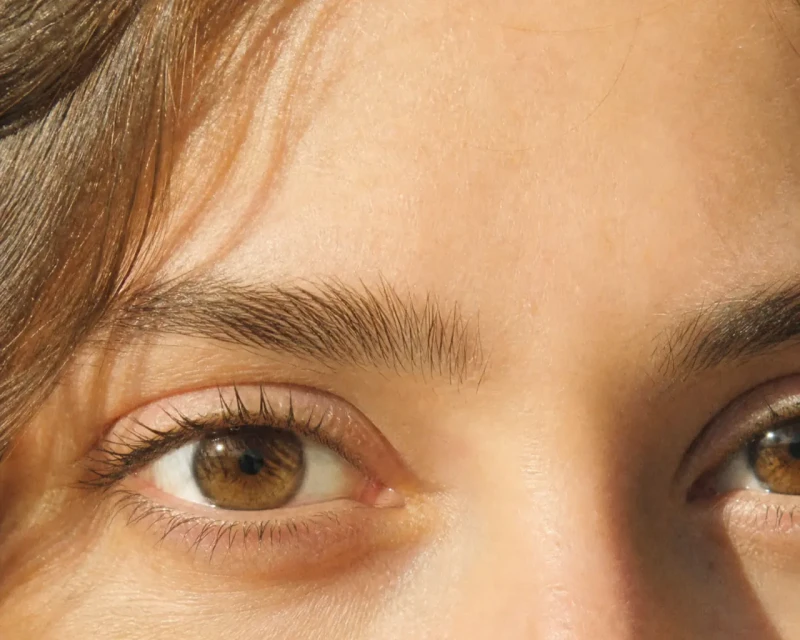

"I sleep well, so why won't these dark circles go away?" It is one of the questions we hear most often in consultation. The short answer: how dark circles can be improved depends on what is causing them. Darkness linked to temporary factors such as lack of sleep or allergies usually fades once those factors are addressed. Darkness caused by inherited pigmentation, thin skin or a hollow tear trough, however, often does not disappear with rest alone, and in that case medical options aimed at the cause can be considered.
In this article, in line with Dr. Fulya Koç's approach, we explain why dark circles form, what may help at home, when medical treatments come into the picture and what their limits are, in plain language.
What Causes Dark Circles?
The skin under the eyes is much thinner than on the rest of the face, so even small changes in the blood vessels, muscle and fat beneath it show through easily. Dark circles are not a single condition but a shared appearance with several possible causes, and most people have more than one of them at the same time.
Increased pigmentation
In some people, often due to genetic tendency, melanin pigment increases around the eyes. This type usually has a brownish tone and can become more visible with sun exposure, eye rubbing and allergic itching. It is more common in darker skin tones.
Thin skin and visible vessels
When the under-eye skin is thin and translucent, the network of vessels underneath can give a bluish-purple colour. This may look stronger in the morning, when you are tired or in the cold. As collagen decreases with age and the skin thins, this type can become more noticeable over time.
Hollowness and shadowing
The hollow between the lower eyelid and the cheek, known as the tear trough, casts a shadow depending on the angle of the light, and this shadow is often perceived as a dark circle. Loss of fat and bone support in the area with age can deepen it, while some people have it structurally from a young age.
Other factors that make them look worse
- Lack of sleep or irregular sleep
- Frequent eye rubbing due to allergic rhinitis or itchy eyes
- Iron deficiency and anaemia
- Fluid retention, a salty diet and alcohol
- Smoking and unprotected sun exposure
Are Dark Circles the Same as Under-Eye Bags?
The two are often confused. Dark circles are a change in colour or a shadow. Under-eye bags are a puffiness caused by fat around the eye bulging forward or by fluid. Because the area just below a bag sits in shadow, bags can also look like dark circles.
The distinction matters, because injectable treatments are usually not suitable for prominent fat bags and can even make them more noticeable. In such cases, referral to the relevant specialty for a surgical assessment may be the more appropriate path.
What Helps Dark Circles? Steps You Can Take at Home
Whatever the cause, some habits support the look of the under-eye area. They will not erase every dark circle, but they help maintain results even if a medical treatment is planned later.
- Sleep routine: Enough regular sleep can reduce tiredness-related darkness and puffiness. Sleeping with your head slightly raised may help with morning swelling.
- Allergy control: If you have seasonal allergies, getting them properly managed and avoiding eye rubbing is important.
- Sun protection: A sunscreen suitable for the eye area and sunglasses help limit further pigmentation.
- Skincare: For pigment-related circles, eye products with brightening ingredients such as vitamin C or niacinamide may be used on a doctor's advice. Their effect is gradual and requires regular use.
- Cold compresses: A short cold application can give temporary relief from morning puffiness.
- Salt and alcohol: Cutting down on salty food and alcohol in the evening can ease fluid-related swelling.
If dark circles come with marked tiredness, paleness or fatigue, checking iron and vitamin levels may be useful. Supplements should be taken according to test results and on medical advice.
How Can Persistent Dark Circles Be Treated? Medical Options
When dark circles persist despite lifestyle changes, medical treatments aimed at the cause can be considered. The key is not to apply one method to everyone, but to identify which component is behind the darkness. That is why dark circle treatment is planned differently for each person.
When thin skin is the main issue
Under-eye mesotherapy aims to support skin hydration and quality with ingredients suitable for the eye area. PRP, prepared from your own blood, may also help support the quality of thin skin. With these methods the effect is gradual and a plan of several sessions is usually needed.
When hollowness and volume loss are the main issue
If the darkness comes from the shadow of the tear trough and skin quality is reasonably good, under-eye filler may be considered for suitable candidates. In this area a small amount of soft hyaluronic acid filler is used, usually with a blunt-tipped cannula. For pigment- or vessel-related circles, filler is not effective.
When pigmentation is the main issue
For brownish circles, brightening skincare, consistent sun protection and, if needed, methods targeting pigmentation are added to the plan. Pigment-related darkness usually takes patience and can return if sun protection is neglected.
Treatment time and the number of sessions vary by method: one session may be enough for some, while others need a plan of several sessions. Results vary from person to person.
Possible Side Effects and Who Should Not Have Treatment
Because the under-eye area is thin and rich in blood vessels, bruising and swelling are common after injections and usually settle within a few days to a week. With fillers, irregularity, prolonged swelling or serious complications such as vascular occlusion can rarely occur, which is why a measured approach by someone who knows the anatomy of the area is essential.
Injectable treatments are not recommended, or are postponed, during pregnancy and breastfeeding, when there is an active infection or allergy flare in the area, with blood-thinning medication, and in some people with prominent under-eye bags. This is why it is important to share your medications and medical history at the consultation.
Dr. Fulya Koç's Approach
Rather than moving straight to a procedure, Dr. Fulya Koç first looks for the cause. The under-eye area is examined in different lighting and from different angles, and tests such as iron and vitamin levels are reviewed when needed. For some people only skincare and lifestyle changes are recommended; when a medical treatment is needed, small and measured amounts are preferred.
The aim is not to change your expression, but to help you look more rested while keeping it your own.
In short: How dark circles improve depends on their cause. Some fade once sleep, allergies or iron deficiency are addressed, while those caused by pigmentation, thin skin or hollowness may need medical options targeting the cause. The right path for you is decided at a consultation.
Frequently Asked Questions
What causes dark circles? Is it just lack of sleep?
No. Lack of sleep can make them look worse, but inherited pigmentation, thin skin, tear-trough shadowing, allergies and iron deficiency are also common causes. That is why people who sleep well can still have dark circles.
Can creams get rid of dark circles?
For pigment-related circles, brightening products and sun protection can lighten the appearance over time. For circles caused by hollowness or thin skin, creams have limited effect.
Does under-eye filler remove dark circles?
If the darkness is a shadow created by hollowness, filler can reduce its appearance. For circles caused by pigmentation or visible vessels, filler is not effective and other methods are considered.
Can iron deficiency cause dark circles?
Iron deficiency and anaemia can make the skin look paler and dark circles more noticeable. Blood tests are reviewed when needed.
Understanding the Cause Together
Dark circles usually come from a combination of factors rather than a single cause. So instead of trying one remedy you read about online, assessing which component is behind your dark circles at a consultation is a sensible way to find a path that suits you while avoiding unnecessary procedures.

Nuclear Medicine Specialist, Medical aesthetics, anti-aging, hair and skin health. About
This article is for general information and does not replace medical advice. Please consult your doctor about the right approach for you.