What Is PRP?
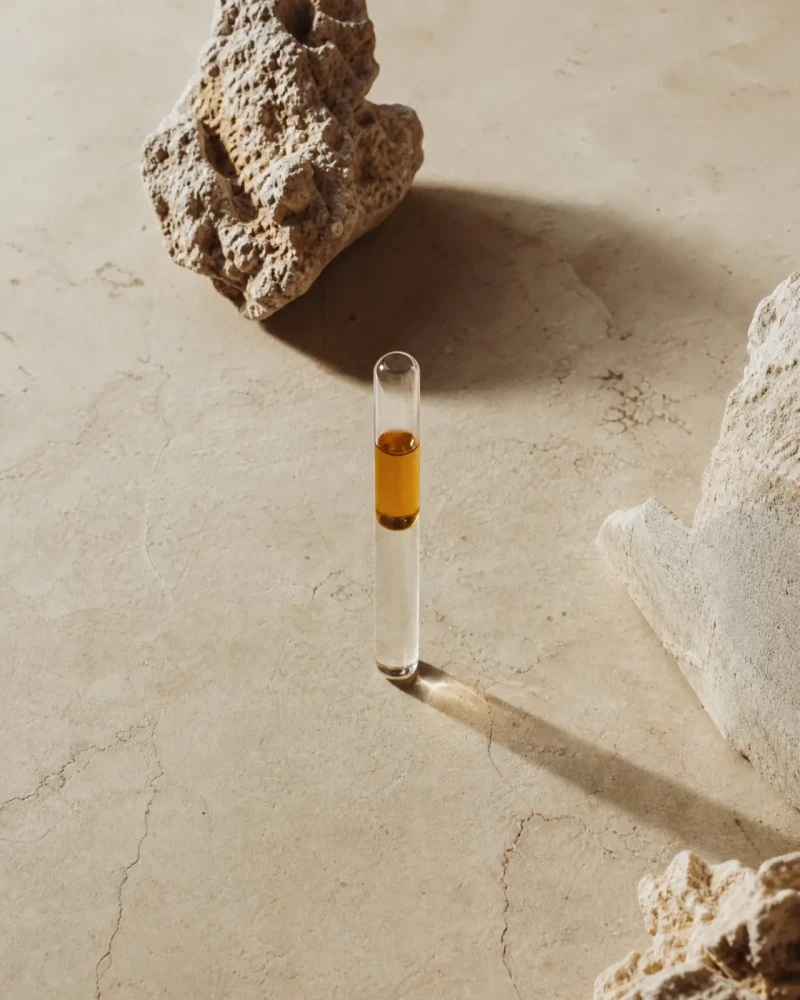
PRP (Platelet Rich Plasma), or platelet-rich plasma, is a concentrate obtained from a person’s own blood. A small amount of blood is drawn and spun in a centrifuge in special tubes, and the portion of plasma enriched in platelets is separated.
Platelets contain various growth factors that play a role in tissue repair. In facial PRP, applying this plasma to the skin aims to support the skin’s own repair and renewal processes. Because it is prepared from your own blood, it contains no foreign substances; it is also colloquially known as the “vampire treatment.”
PRP is also used in different areas of medicine, such as orthopedics, sports medicine and dentistry, to support tissue healing. In aesthetic treatments, it may be planned on its own or together with methods such as microneedling for skin quality, fine lines and superficial marks.
Who Is It Suitable For?
- People whose skin looks dull, tired and has lost its freshness
- Those whose fine lines are starting to appear and whose skin texture is uneven
- Those with superficial post-acne marks (mostly together with microneedling)
- Those who want to support skin quality around the eyes
- Those who prefer a method prepared from their own blood that contains no synthetic ingredients
PRP treatments for hair loss are planned with a separate protocol.
In marked sagging or deep wrinkles, PRP alone may not be enough; if needed, it is considered together with other methods.
How Is the Treatment Done?
- At the consultation, your medical history, the medications you use and your skin type are assessed.
- A small amount of blood is drawn from the arm, similar to a routine blood draw.
- The blood is spun in a centrifuge in special tubes, and the platelet-rich plasma is separated.
- Meanwhile, numbing cream may be applied to your face for comfort.
- The prepared plasma is applied to the skin with fine needles as microinjections or through microneedling.
Including the blood draw, preparation and application, the procedure usually takes 45–60 minutes. The plasma is used shortly after it is prepared.
What to Pay Attention to Afterward
- It may be recommended that you do not wash your face or wear makeup for the first 12–24 hours.
- It is advisable to avoid saunas, steam baths, intense exercise and alcohol on the first day.
- For a few days, take care to protect yourself from the sun.
- If you need a pain reliever, ask your physician which one you can take; some pain relievers can affect platelet function.
- On the first night, you may take care not to lie on the side that was treated.
Possible Side Effects and Who Should Not Have It
Redness, mild swelling, tenderness and bruising may appear at the injection points; a small bruise may also form where the blood was drawn. These effects usually go away within a few days. Infection is rare. Because your own blood is used, an allergic reaction is not expected.
It is not performed in blood disorders such as a low platelet count or platelet function disorders, in the presence of active infection or active cancer, or during pregnancy and breastfeeding. The use of blood-thinning medication, aspirin and certain pain relievers should be assessed at the consultation.
If you have signs such as increasing pain, warmth, marked swelling or fever after the procedure, you should contact your physician.
Dr. Fulya Koç’s Approach
As a method based on supporting the skin with its own resources, PRP is one of the cornerstones of Dr. Fulya Koç’s regenerative approach. Rather than adding a foreign substance, the aim is to make use of the body’s own repair potential.
At the Ataşehir clinic, the PRP plan is made by considering your skin’s needs and your general health together. It is made clear from the start that results are gradual and vary from person to person.
In a treatment prepared from your own blood, general health also matters. For this reason, lifestyle factors such as nutrition, sleep and smoking are also part of the conversation.
Fulya Koç
Frequently asked questions
An initial course of 3 sessions, 3–4 weeks apart, is usually planned. Afterward, a maintenance session every 6–12 months may be recommended depending on the condition of the skin.
In mesotherapy, ready-made formulations are used, whereas in PRP, plasma prepared from the person’s own blood is applied. Both methods aim to support skin quality; which one is suitable is determined according to your skin’s needs.
Drinking enough water and having a light meal before the procedure makes the blood draw easier. If you use aspirin, blood thinners or certain pain relievers, be sure to talk to your physician before stopping them.
Both are prepared from the person’s own blood. CGF is a concentrate with a higher fibrin content, obtained with a different centrifuge technique and mostly without adding any additives.
The information on this page is general. Whether the treatment suits you, its possible risks and the results you can expect are assessed individually at your consultation. Results vary from person to person. Image is illustrative.