What Is Hijama?
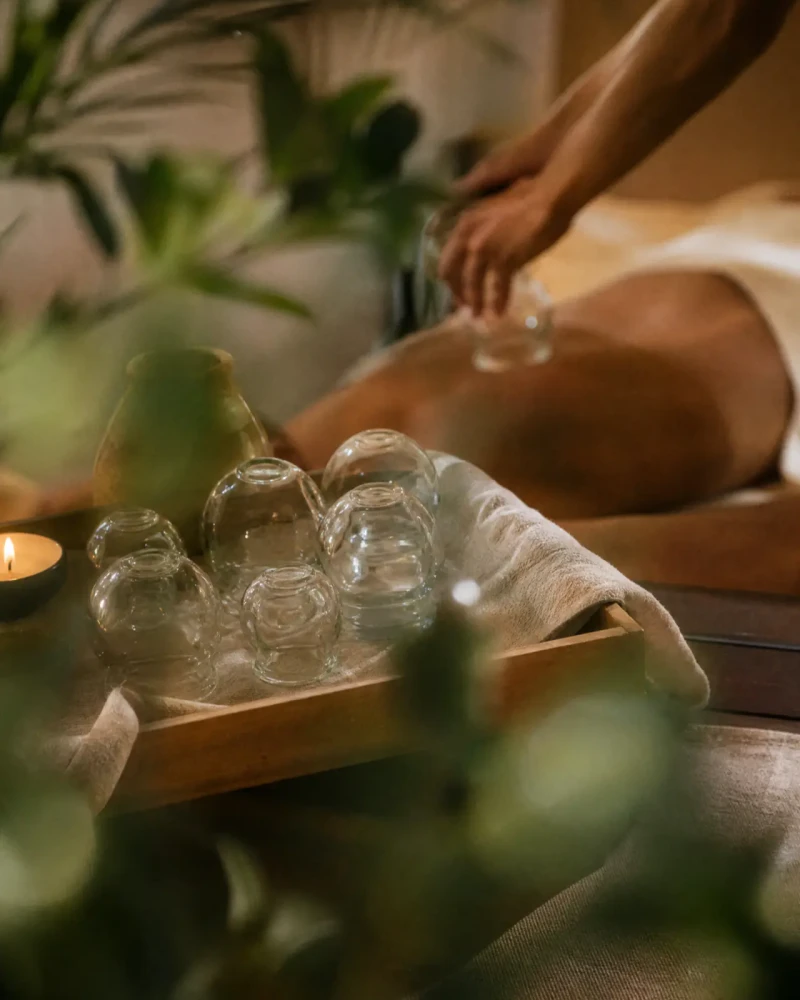
Hijama is a traditional practice based on placing cups that create a vacuum (negative pressure) on the skin over certain areas. The method in which only the cup is applied to create the vacuum is called dry cupping, while the method in which a small amount of blood is drawn by applying the cup after superficial scratches are made on the skin is called wet cupping (hijama).
In Turkey, hijama is among the methods regulated under the Turkish Ministry of Health’s Traditional and Complementary Medicine (GETAT) Practices Regulation. The regulation provides that this practice is to be performed by physicians who have completed the relevant training, in authorized facilities.
Hijama is a complementary method; it does not replace modern medical care in the diagnosis or treatment of any condition.
What Does the Scientific Evidence Say?
Some studies on cupping suggest that short-term relief may be possible, particularly in musculoskeletal pain such as neck and low back pain. However, a large share of these studies are small, differ in methods and offer a low level of evidence.
For this reason, claims that hijama cures a specific disease, detoxifies the body or strengthens immunity are not supported by current scientific data. What can reasonably be expected from the practice is discussed honestly within this framework during the consultation.
How Is the Treatment Done?
- Before the session, your general health, your medications and, if considered necessary, your recent blood test results are reviewed.
- The treatment area is determined and the skin is cleaned with an antiseptic.
- Single-use sterile cups are placed to create a vacuum.
- In wet cupping, after a short time superficial scratches are made on the skin and the cup is placed again.
- After the cups are removed, the area is cleaned and covered if needed.
The choice between dry and wet cupping, and the frequency and area of the practice, are decided after your health has been evaluated. Single-use sterile materials are used in all sessions.
What Should You Pay Attention to Afterward?
- It is recommended to keep the area clean and dry on the day of the session; follow your physician’s advice about when to bathe.
- Avoid heavy exercise, saunas and steam baths on the same day.
- Drink enough fluids and rest for a short while after the session.
- Contact your physician if you notice redness, discharge or increasing pain at the scratched areas.
If you do not want the cupping marks to be in visible areas, the area and timing of the session can be planned together in advance. If you feel weak or dizzy after the session, it is recommended that you sit and rest for a while and drink fluids.
Possible Side Effects and Who Should Not Have It
Round bruises and discoloration at the cup sites are expected and usually fade within a few days to a few weeks. Tenderness, itching, dizziness or a feeling of faintness may occur. With wet cupping, infection and lasting marks may rarely occur.
The practice is not performed during pregnancy; in people with anemia or bleeding disorders; in people taking blood-thinning medication; in people with a skin infection, wound or active skin disease in the treatment area; in people with severe heart disease or low blood pressure; in people with uncontrolled diabetes; and in people in a weakened general condition. It is also not suitable for people receiving chemotherapy or treatment that suppresses the immune system.
Dr. Fulya Koç’s Approach
Dr. Fulya Koç regards hijama as a complementary option for people interested in traditional methods, offered under safe conditions and with its limits openly discussed. The practice is never recommended in place of medication or follow-up with a specialist physician.
If your complaint points to an underlying condition, a medical evaluation and referral to the relevant specialist come first. Hijama is not recommended where it is not appropriate.
After hijama as well, you should continue your current treatments and your specialist check-ups as they are.
Fulya Koç
Frequently asked questions
In Turkey, hijama is regulated under the Turkish Ministry of Health’s GETAT Practices Regulation. According to the regulation, this practice may be performed by physicians who have completed the relevant training, in authorized facilities.
Cupping marks usually fade within a few days to a few weeks, depending on a person’s skin and how the practice was done. In wet cupping, the scratched areas heal within a few days.
There is no strong scientific evidence showing that hijama cures a specific disease. Although some studies suggest short-term relief in musculoskeletal pain, the level of evidence is limited. If you have a diagnosed condition, you should continue your treatment with your specialist physician.
Particularly before wet cupping, it is important to rule out conditions such as anemia or a tendency to bleed. Any necessary tests are determined during the consultation based on your medical history.
The information on this page is general. Whether the treatment suits you, its possible risks and the results you can expect are assessed individually at your consultation. Results vary from person to person. Image is illustrative.