What Is Medical Skin Care?
Medical skin care is a care treatment planned under physician supervision after your skin type and needs have been assessed, using medical-grade products and suitable devices. The aim is not just momentary relaxation but to strengthen the skin barrier and support the skin’s balance in the long term.
The content of the care varies from person to person: steps such as deep cleansing, comedone (blackhead) extraction, a light chemical peel, vacuum cleansing, and hydration and antioxidant support are chosen according to the current condition of your skin.
Skin can have different needs depending on the seasons, hormonal changes and living conditions. For this reason, in medical skin care the content of each session is reassessed according to the condition of your skin that day and changed when necessary.
Who Is It Suitable For?
- People with blackheads, whiteheads and clogged pores
- People with oily, combination or acne-prone skin
- Dry skin with high moisture needs, or sensitive skin
- Those whose skin looks dull and tired
- Those who want supportive care alongside treatments such as laser and microneedling
Regular medical skin care can also be considered a preventive step for younger skin that does not yet need needle-based procedures.
How Is the Procedure Performed?
- A skin analysis is done and the content of the care is determined.
- Makeup and dirt are cleansed, and a peel or enzyme suited to your skin type is applied.
- If needed, comedone extraction is done with steam and suitable techniques.
- A serum, ampoule or mask is applied according to what your skin needs.
- The care is completed with a moisturizer and sunscreen.
At the end of the care, cleansing, moisturizing and protection steps to follow at home are also shared with you, tailored to the needs observed during the session. The effect of the in-clinic care is maintained together with regular care at home.
What to Pay Attention to Afterward
- If comedone extraction was done, it is recommended not to wear makeup on the same day.
- Do not use peels or harsh cleansers for a few days.
- Follow the recommended home care routine regularly.
- Use sunscreen every day.
If you notice unusual redness, burning or itching on your skin after the care, it is recommended to let your physician know before trying a new product. If a laser, microneedling or peel is planned, the timing of the medical care is adjusted to fit with those treatments.
Possible Side Effects and Who Should Not Have It
Redness and sensitivity lasting a few hours to a day may occur, especially after comedone extraction. If a peel was applied, mild dryness or flaking may be seen; rarely, irritation or an allergic reaction to the products used may develop.
In widespread inflamed acne, an active cold sore or infection, open wounds and during flare-ups of some skin diseases, the content of the care is changed or postponed. Active ingredients to be used during pregnancy are selected separately.
In chronic skin conditions such as rosacea, eczema or seborrheic dermatitis, the content of the care is simplified with these conditions in mind; if needed, treatment of the underlying condition is planned first.
Dr. Fulya Koç’s Approach
For Dr. Fulya Koç, medical skin care is a preventive step that comes before needle-based procedures and can often be enough on its own. The right home care habits learned during the care form the basis of protecting skin health in the long term.
This approach fits the idea of teaching someone to fish rather than handing them a fish: the aim is not for the skin to depend on constant outside support, but for it to be able to maintain its own balance with the right habits.
Fulya Koç
Frequently asked questions
Medical skin care is planned with a physician’s assessment; the products and treatments used are chosen according to the medical condition of your skin. Concerns such as acne, spots or sensitivity are addressed together with their underlying causes.
Considering the skin’s renewal cycle, every 3–4 weeks is a common approach. The frequency may vary depending on your skin’s needs and on how it is planned together with other treatments.
Care focused on cleansing and hydration can generally be done. However, ingredients such as retinoids and some peeling agents are not used; the content of the care is chosen to be suitable for pregnancy.
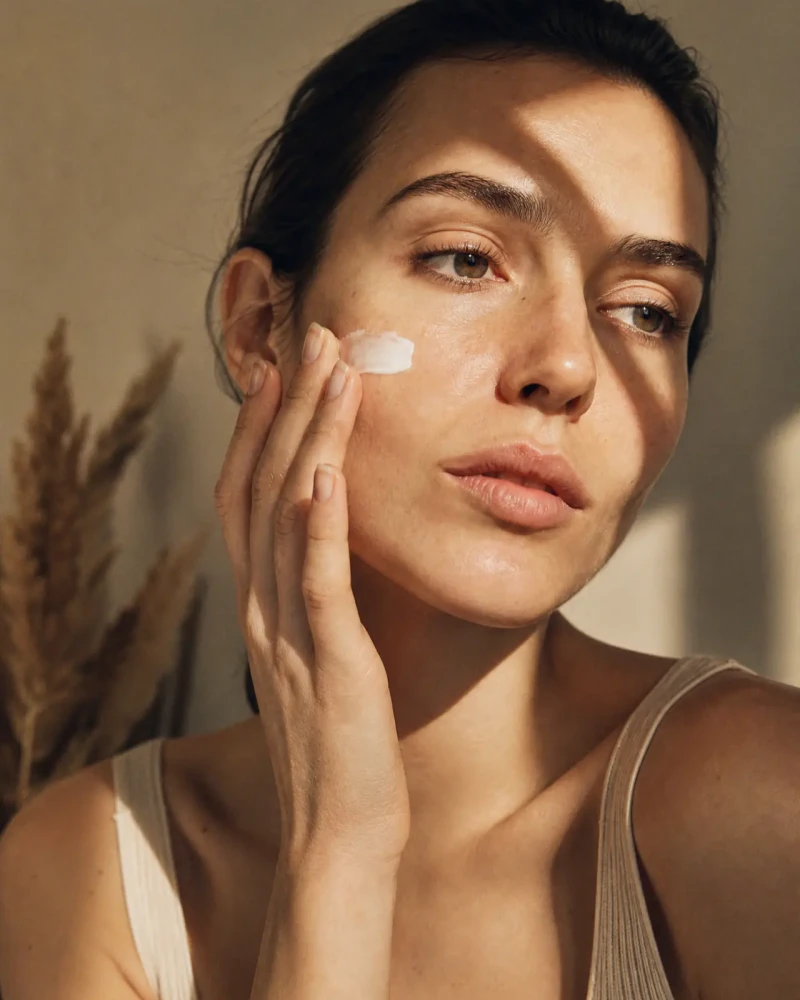
The information on this page is general. Whether the treatment suits you, its possible risks and the results you can expect are assessed individually at your consultation. Results vary from person to person. Image is illustrative.