What Is Under-Eye Filler?
A hollow at the transition between the under-eye area and the cheek can give the face a tired, sleepless expression. In some people this hollow comes from genetic structure, and in others from the loss of fat and bone support in this area with age. The shadow of the hollow can also make the under-eye area look darker than it is.
Under-eye filler is the support of this hollow area with a small amount of soft hyaluronic acid. Because the skin around the eyes is thin and sensitive, the treatment is performed much more carefully and with a smaller amount than in other areas of the face. Softer fillers with a low tendency to hold water are preferred for this area.
Who Is It Suitable For, and Who Is It Not?
Under-eye filler is not suitable for every under-eye concern. For this reason, choosing the right person is as important as the treatment itself.
- May be suitable: People with a noticeable hollow due to volume loss, relatively good skin quality and no marked under-eye bags.
- May not be suitable: Those with prominent fat bags, those with marked skin sagging, and those who often have prolonged under-eye swelling.
- May need a different treatment: In under-eye darkness that comes from pigment or the vascular structure rather than from a hollow, other methods may be more suitable than filler.
How Is the Treatment Done?
- The under-eye area is examined in different lighting and from different angles; the cause of the hollow, bags and darkness is distinguished.
- Suitability is assessed openly; if filler is not suitable, alternatives are discussed.
- The area is disinfected and numbing cream is applied.
- Most often, with a blunt-tip cannula, very small amounts are applied slowly into the deep layer.
- If needed, any small remaining gaps are completed a few weeks later.
What Should You Pay Attention to Afterward?
- On the first day, you can apply cold compresses at short intervals.
- For the first few nights, sleeping on your back with your head slightly raised may reduce swelling.
- For the first 24 hours, avoid eye makeup and rubbing the area.
- For the first 48 hours, avoid heavy exercise, saunas, steam baths and alcohol.
- Salty foods and lack of sleep can increase under-eye swelling.
Possible Side Effects and Who Should Not Have It
Swelling and bruising can be more noticeable in this area; they mostly pass within a few days to a week. Because hyaluronic acid holds water, mild swelling lasting a long time may be seen in some people. In thin skin, filler that stays superficial may create a slightly bluish appearance. These situations can be corrected with hyaluronidase when needed.
Filler entering a blood vessel around the eyes is very rare; however, because it is a serious complication that can affect vision, this risk is taken especially seriously. Using a cannula, the right layer and very small amounts reduce the risk. If any change in vision, severe pain or skin color change occurs during or after the procedure, you should contact your doctor right away.
The treatment is not performed during pregnancy and breastfeeding, if there is an active infection in the area, or if there is an allergy to a filler ingredient.
Dr. Fulya Koç’s Approach
The under-eye area is one where Dr. Fulya Koç particularly values the principle of doing less. In under-eye filler, a smaller amount than expected is often enough; more can lead to a puffy, unnatural look.
Sometimes the under-eye hollow lessens by itself with support given to the cheekbone area; at other times the real issue is skin quality or pigmentation. For this reason, the decision to treat is made by looking at the cause first, before deciding what to do under the eye. Factors that affect the appearance of the under-eye area, such as sleep, diet and allergies, are also discussed during the consultation.
Fulya Koç
Frequently asked questions
Because the area around the eyes moves little, under-eye filler usually lasts 9–18 months, and in some people longer. The duration varies from person to person.
If the darkness comes from the shadow created by the hollow, filler may reduce that appearance. In dark circles related to pigment or vascular structure, filler is not effective; in this case, different treatments are considered.
In prominent fat bags, filler is usually not suitable and can make the appearance even more noticeable. In this case, a surgical evaluation may be a more appropriate option.
As with every filler, there are risks under the eyes too; because of the thin skin, more care is needed in this area. Choosing the right person, using a cannula and applying very small amounts reduce the risks.
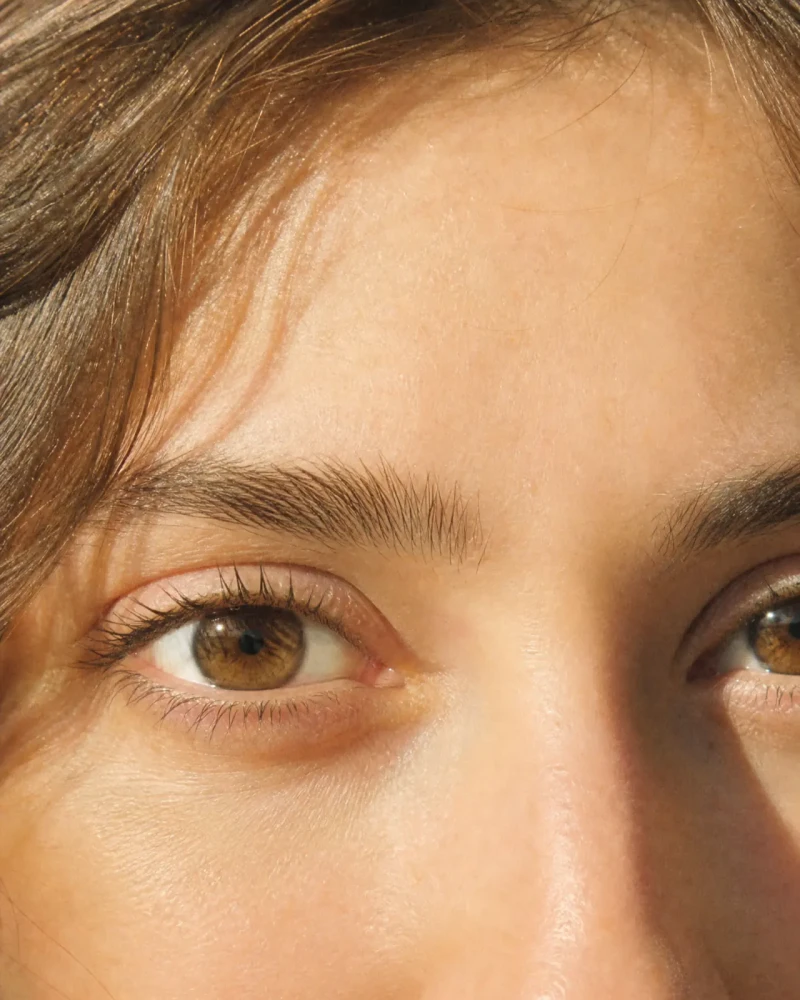
The information on this page is general. Whether the treatment suits you, its possible risks and the results you can expect are assessed individually at your consultation. Results vary from person to person. Image is illustrative.