
What Causes Under-Eye Dark Circles?
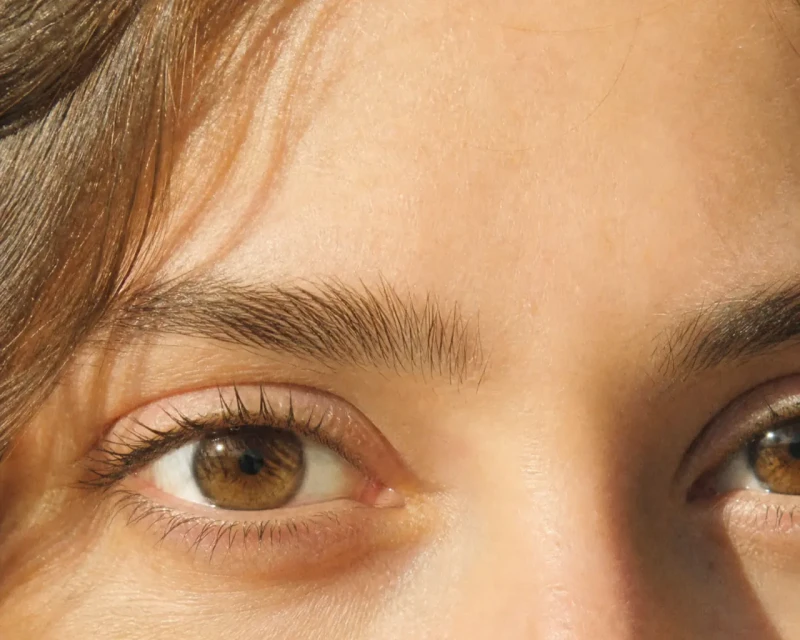
Under-eye dark circles do not have a single cause. In some people, increased pigment linked to genetic predisposition creates a brownish color. In others, because the skin under the eyes is very thin, the blood vessels beneath show through with a blue-purple look.
With age, as volume is lost under the eyes and the tear trough becomes more pronounced, the shadow that forms can also be perceived as a dark circle. Lack of sleep, allergies, eye rubbing, iron deficiency and fluid retention may make the appearance worse. The right treatment begins with understanding which cause is behind the dark circles.
In most people, more than one of these causes is present together. For example, there may be both increased pigment and shadowing from the tear trough; in this case, a combined plan that addresses the different causes is needed rather than a single method.
Who Is It Suitable For?
- People with brown or purple discoloration under the eyes
- People whose under-eye skin looks thin and tired
- People who experience shadowing because of the tear trough and hollowness
- People who feel they always look tired, even when they are not sleep-deprived
Injection procedures may not be suitable for people with prominent under-eye bags, significant excess skin or a tendency toward swelling around the eyes; in these cases, other options or referral to the relevant specialty are considered.
Which Methods Are Used?
- Under-eye mesotherapy: It aims to support skin quality and hydration around the eyes with suitable ingredients.
- PRP: Plasma obtained from the person’s own blood may help support the quality of thin skin.
- Under-eye filler: It is considered in suitable people when the dark look comes from hollowness and volume loss.
- Pigmentation treatment and care: For pigment-related dark circles, brightening skin care products and sun protection are recommended.
- Correcting underlying causes: Factors such as allergies, iron deficiency and sleep habits are addressed together.
The skin in the under-eye area is much thinner than in other areas of the face. For this reason, the product, amount and technique used in this area are chosen carefully; measured treatment helps preserve a natural look.
What to Keep in Mind Afterward
- After an injection, no pressure should be applied to the eye area and it should not be rubbed on the first day.
- Makeup, saunas and intense exercise should be avoided for the first 24 hours.
- A cold compress can be applied to reduce swelling, and sleeping with the head slightly raised may help.
- Sunscreen and sunglasses should be used for the eye area.
Possible Side Effects and Who Should Not Have It
Because the under-eye area is thin and rich in blood vessels, bruising and swelling are common after injections; they usually resolve within a few days to a week. With filler procedures, serious complications such as irregularities, swelling or vascular blockage can rarely occur; for this reason, the procedure requires a practitioner with solid knowledge of the anatomy of the area.
Injection procedures are not recommended during pregnancy and breastfeeding, with active infection or an allergy flare-up in the area, with use of blood-thinning medication and in some people with prominent under-eye bags.
Dr. Fulya Koç’s Approach
For under-eye dark circles, Dr. Fulya Koç investigates the cause first rather than moving straight to a procedure, and if needed she considers tests such as iron and vitamin levels. The aim is for the person to look more rested while keeping their own expression; in some cases only skin care and lifestyle adjustments are recommended.
Simple steps such as getting enough regular sleep, keeping allergies under control, avoiding eye rubbing and wearing sunglasses are also important habits that support the effect of treatment.
Fulya Koç
Frequently asked questions
If dark circles are due to genetic pigment, thin skin or hollowness, they may not go away completely with sleep and rest. Once the cause is identified, a suitable treatment option can be planned.
If the dark circles are due to shadowing from volume loss and the tear trough, filler may be considered. If skin thinness and quality are the main concern, mesotherapy or PRP may be more suitable. The decision is made after an examination.
Iron deficiency and anemia can contribute to pale-looking skin and more noticeable under-eye dark circles. For this reason, blood tests are considered when necessary.
The information on this page is general. Whether the treatment suits you, its possible risks and the results you can expect are assessed individually at your consultation. Results vary from person to person. Image is illustrative.