What Is Thulium Laser?
Thulium laser is a non-ablative fractional laser system that works at a wavelength of 1927 nm. It delivers energy to the superficial layers of the skin in microscopic dots; because the tissue in between stays intact, recovery is faster.
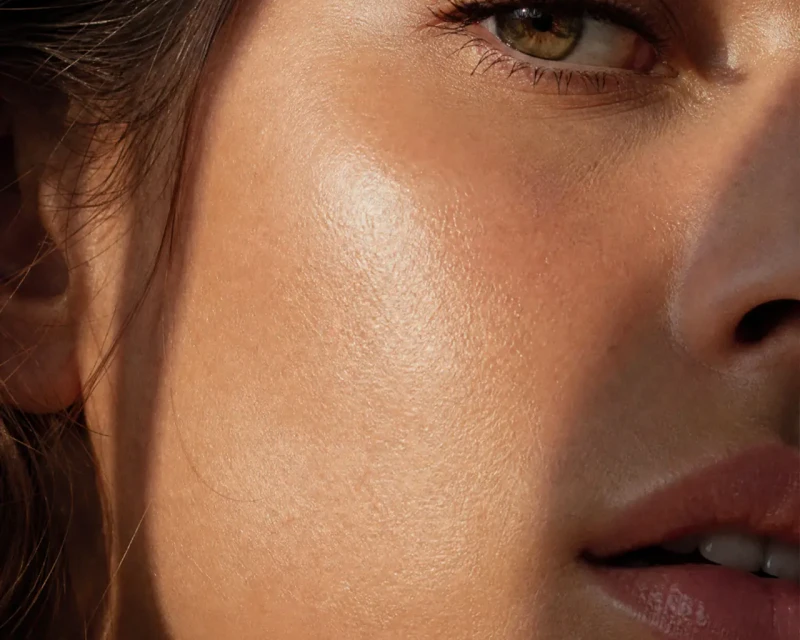
This wavelength is used especially to target pigment that accumulates in the epidermis and superficial dermis and to renew the skin surface. For this reason, thulium laser is considered not only for spots and uneven tone but also for pores, fine lines and overall skin radiance.
Thanks to its fractional nature, only a certain percentage of the skin is treated rather than all of it; renewal begins quickly from the islands of intact tissue. This makes recovery shorter than with methods that remove the entire surface.
Who Is It Suitable For?
- People with sun spots and age spots
- Those whose skin tone looks uneven and dull
- People with visible pores and uneven skin texture
- Those who are starting to get fine lines
- People with stubborn pigmentation such as melasma, selected after physician evaluation and with suitable settings
In darker skin tones and in skin with a high tendency toward pigmentation, lower energies, longer intervals between sessions and skin preparation before the procedure may be preferred to reduce the risk of color changes afterward.
How Is the Procedure Performed?
- The skin is cleansed and a numbing cream is applied and left on.
- The cream is removed and eye protection is put on.
- The laser is applied to the face in controlled passes at the determined energy and density.
- At the end of the procedure, the skin is cooled and a soothing moisturizer and sunscreen are applied.
In the days after the procedure, fine, dark dots resembling coffee grounds may appear on the skin. This appearance is related to the targeted pigment rising to the surface and shedding, and it usually disappears on its own within a week.
What to Pay Attention to Afterward
- Moisturize the skin generously in the first days and avoid hot water and harsh cleansers.
- Do not pick at the fine brown flakes that form; wait for them to fall off on their own.
- Sun protection is very important; reapply a high-SPF sunscreen during the day.
- Pause products containing retinol and acids for at least a week.
- Limit makeup and intense exercise until the flaking has passed.
For people with a history of cold sores, the physician evaluates whether preventive treatment is needed before the procedure. If you notice unexpected pain, discharge or prolonged redness during recovery, let us know without delay.
Possible Side Effects and Who Should Not Have It
Redness, swelling, a feeling of warmth and fine, dark flaking that lasts a few days are expected effects. Rarely, a cold sore flare-up, infection or temporary or long-lasting color changes, particularly in darker skin tones, may develop.
The treatment is not performed, or is postponed, during pregnancy and breastfeeding, if there is an active infection or cold sore, after recent intense tanning, when taking photosensitizing medication, in people prone to keloids and in some autoimmune conditions.
Dr. Fulya Koç’s Approach
When planning thulium laser, Dr. Fulya Koç pays attention to the type of spot and the factors that trigger it; she openly shares that, particularly with melasma, laser may not be enough on its own and spots may recur. Treatment is generally done with measured settings, together with sun protection and suitable home care.
The goal is not an intense change in a single session but a more even and rested look through sessions that do not strain the skin. To maintain the results, making sun protection a habit is emphasized.
Fulya Koç
Frequently asked questions
Redness and fine flaking usually last 3–5 days. Some people prefer to take time off work during this period, while others continue daily life with a moisturizer; the duration varies depending on the settings used.
A noticeable lightening of spots may be achieved, but the result varies depending on the type and depth of the spot and your skin structure. Melasma in particular is a chronic condition and may recur with factors such as sun and hormones.
Autumn and winter, when sunlight is less intense, are preferred. Protecting the skin from the sun in the weeks after the procedure is important to reduce the risk of developing dark spots.
The information on this page is general. Whether the treatment suits you, its possible risks and the results you can expect are assessed individually at your consultation. Results vary from person to person. Image is illustrative.